Poppy Yayakos

Author, Teacher & Children's Literacy Advocate

Primary teacher, published author, and passionate advocate for children’s literacy, I’m dedicated to helping young readers discover the magic of words. My work is driven by a belief that stories build curiosity and lifelong learners.
Keep up with my latest work.


Why every child deserves the gift of reading

Reading is one of the most powerful tools a child can have. It strengthens their imagination, builds language and communication skills, and opens doors to new worlds, ideas, and possibilities. Through reading, children learn to think critically, understand different perspectives, and develop empathy. Reading supports rich verbal interaction with adults that is proven to be critical for a child's success at school, (Fernald & Weisleder, 2015). It also supports success in every academic subject, with students who reading for fun daily showing higher scores in reading tests than those who do not, (Sullivan et al., 2007), giving them the confidence to explore and grow. Most importantly, reading nurtures curiosity; a spark that can inspire a lifelong love of learning.

Employment Opportunities

Children who struggle to read are at risk of becoming adults with poor literacy, and adults with low literacy skills are more than twice as likely to be unemployed compared with those with stronger literacy skills (OECD, 2016). According to UNESCO, (n.d.), high literacy rates in early childhood not only link to better outcomes in education, but also in health and employment.

Economic & Social Cost

According to the World Literacy Foundation (2016), illiteracy costs the global economy trillions of dollars each year, including lost earnings, increased dependence on social welfare and higher unemployment rates. Illiteracy limits individuals' opportunities, affecting both them and their families.

Illiteracy Across the Globe

There are more than 739 million adults worldwide who cannot read or write, and around two-thirds of them are women (UNESCO, 2025).

Learn more about the facts of children's literacy in the key findings of the Scholastic Kids & Family Reading Report.

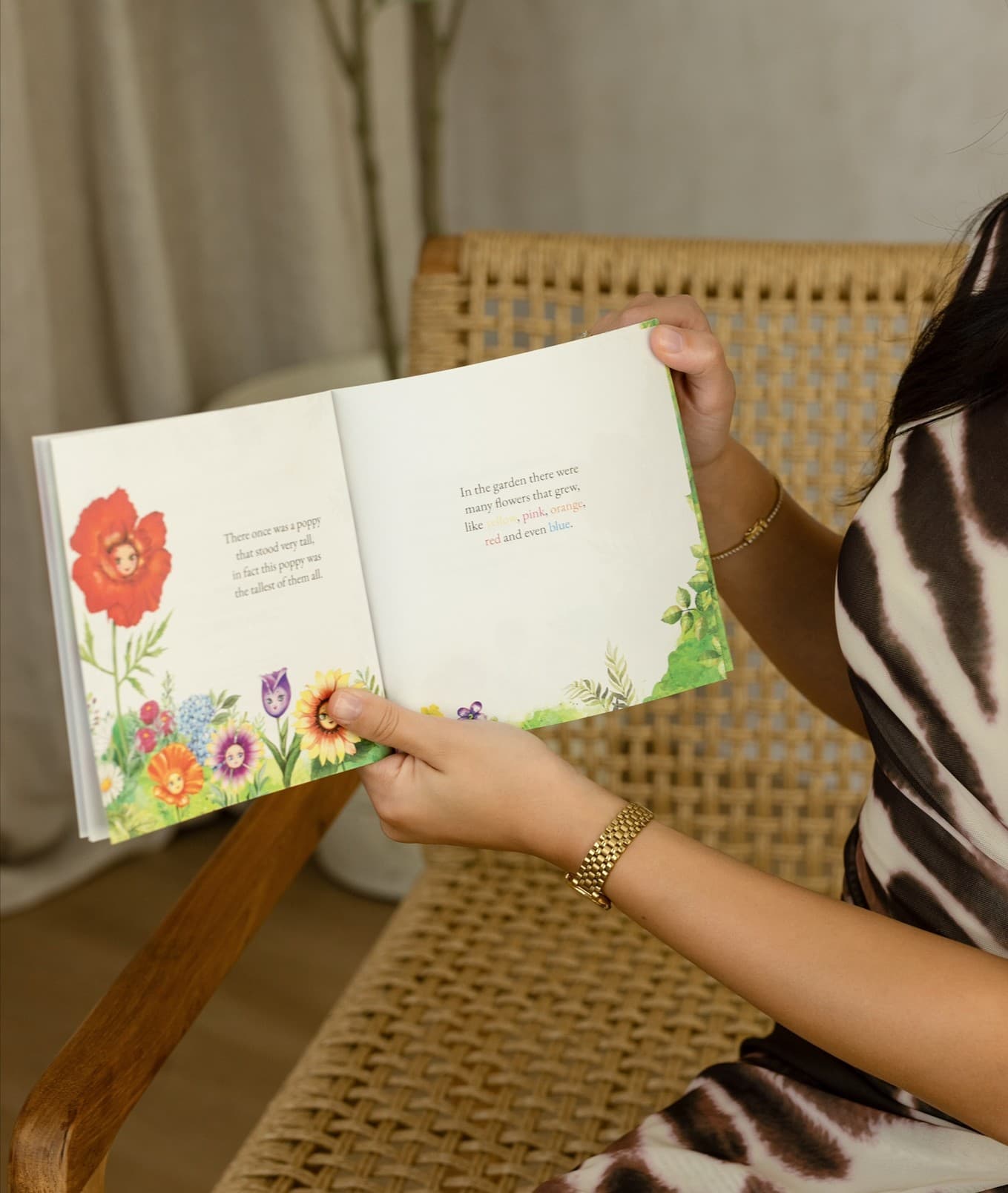
Read my latest article

Discover how to build meaningful home reading routines that inspire children's love for reading.

Read now

Purchase your copy

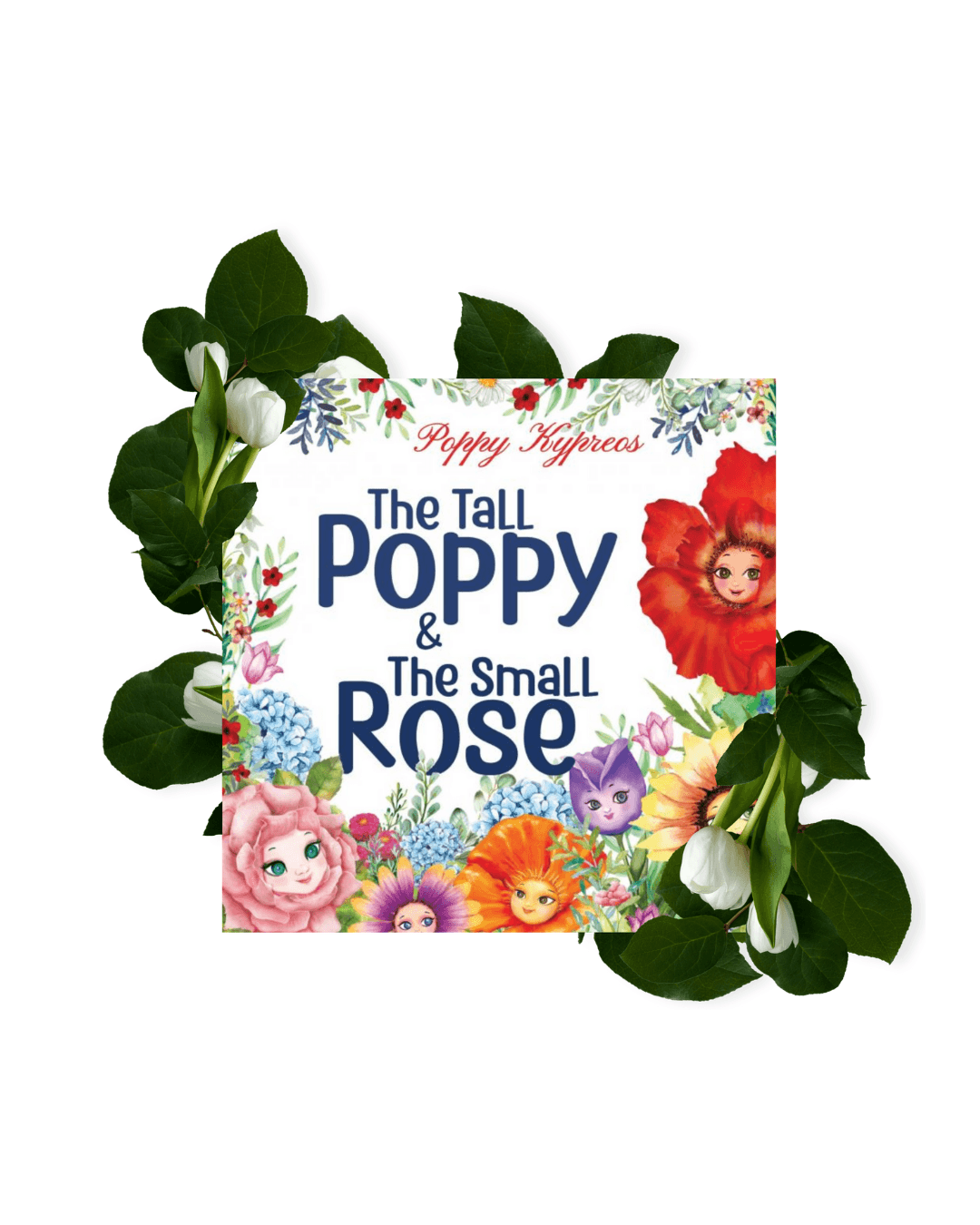
Purchase The Tall Poppy & The Small Rose available internationally.

A graceful reflection on individuality for children.


Valued Readers' Reviews

"The Tall Poppy and the Small Rose is such a beautiful and gentle story. Reading it with my child opened up a lovely conversation about kindness, comparison, and learning to appreciate our own strengths. My child really connected with the characters, and I appreciated how the message was shared in a simple, heartfelt way without feeling preachy. It’s the kind of book that leaves you with a warm feeling and an important reminder that everyone grows in their own way."

Parent review

"The Tall Poppy and the Small Rose is a thoughtful and engaging text that supports social-emotional learning in the classroom. The story provides a strong foundation for discussions about self-esteem, individuality, and celebrating differences. The language is accessible for young readers, while the themes offer depth for meaningful reflection and group conversation. It would work well as part of a unit on growth mindset or character education."

Teacher review

Get your complimentary resources

Download the complimentary printable colouring pages and lesson plan inspired by The Tall Poppy & the Small Rose, designed to complement the story’s themes of self-acceptance, growth, and celebrating differences.

Download

Poppy Yayakos

All rights reserved.

Inspiring confidence, kindness, and growth- one story at a time.

poppyyayakos@outlook.com

© 2025

References

Fernald, A., & Weisleder, A. (2015). Twenty years after “Meaningful Differences,” it’s time to reframe the “Deficit” debate about the importance of children’s early language experience. Human Development, 58, 1–4. https://doi.org/10.1159/000375515

Organisation for Economic Co-operation and Development (OECD). (2016). Literacy for life. OECD Education and Skills Today. https://oecdedutoday.com/literacy-for-life/  

Sullivan, S., Nichols, B., Bradshaw, T., Rogowski, K., & Bauerlein, M. (2007). To Read or Not To Read A Question of National Consequence. In National Endowment for the Arts. National Endowment for the Arts. https://www.arts.gov/sites/default/files/ToRead.pdf

UNESCO. (n.d.). Education for Sustainable Development. Retrieved from https://en.unesco.org/themes/education-sustainable-development

UNESCO. (2025). Literacy: What you need to know. UNESCO. https://www.unesco.org/en/literacy/need-know

World Literacy Foundation. (2016). The economic & social cost of illiteracy: A snapshot of illiteracy in a global context. Retrieved from https://worldliteracyfoundation.org/